




While there are many ways to invest in real estate, renting property to tenants is a common option. If you’re looking for a way to build your home equity over time, enjoy potential tax perks and generate income, you may want to explore renting out your house.
Here we will explore what to expect if you are considering becoming a landlord and the steps to take to turn your home into a rental property.
Key Takeaways:
- Renting property can be a great way to generate income and build equity.
- Before welcoming tenants into your rental home, prepare by reviewing local laws, purchasing insurance, getting the property ready to list, researching the market, marketing the property, and finding and screening tenants.
- New landlords can make renting property easier by enlisting professionals such as a real estate agent and a property management company.
How To Rent Out Your House: A Step-By-Step Guide For New Landlords
Considering becoming a landlord? There are many steps involved between owning a home and finding a tenant. This guide will help you prepare to rent out your house and provide pointers to mitigate problems.
1. Calculate The Cash Flow
Whether you already own a home and are thinking about renting it out, or you’re planning to buy a property specifically as a rental, the first step is to review your finances. Understand what you can afford, what expenses you’ll need to cover and how much rental income is required to make the investment worthwhile. From there, you can set a realistic cash-flow goal for the rental property.
When calculating costs, include the mortgage, property taxes, maintenance, renovations, insurance and marketing fees. These expenses eat away at your profits, so don’t ignore them.
Since the return on investment (ROI) in real estate depends on the market, renting property isn’t always the best choice. Consider whether selling or renting your house will enable you to maximize your return on investment. Renting provides a steady stream of income over time, while selling gives you a lump sum payment. Renting may make sense if you can develop and maintain a healthy cash flow.
Here’s an example: Let’s imagine you buy a home for $280,000 and make extensive repairs. After paying capital gains taxes, closing costs, agent fees and other expenses, you may earn $40,000 in profit. But after researching the market, you realize you could rent out the house for $2,500 per month. Even after covering the monthly mortgage, taxes and maintenance, you’d likely clear a few hundred dollars in profit each month, and that’s not counting the long-term gains from home appreciation. These earnings could surpass a one-time profit from selling. In this situation, renting makes more financial sense unless you need immediate cash.
2. Learn The Laws
Landlords must have a thorough understanding of federal, state and local landlord-tenant laws for several reasons:
Handling disputes appropriately: Conflicts between landlords and tenants can arise. Knowing the applicable laws gives landlords the necessary information to address these disputes quickly and find lawful resolutions. This can help you navigate rent increases, security deposits, repairs, evictions and lease terminations in accordance with the law.
Legal compliance: Landlord-tenant laws protect the rights of both parties and ensure a fair and equitable relationship. By understanding these laws, landlords can avoid potential violations that could result in legal consequences, fines or even lawsuits.
Tenant rights protection: Understanding relevant laws, such as the Fair Housing Act, helps landlords be aware of the rights and protections afforded to tenants. This knowledge enables landlords to treat tenants fairly, avoid discrimination and provide adequate living conditions required by law.
Effective lease agreements: Local laws often require specific provisions or requirements for lease agreements. By being knowledgeable about these requirements, landlords can create legally sound and comprehensive lease agreements that protect their interests and clearly outline the rights and responsibilities of both parties. It should be tailored to your specific rental and explain the rules your tenants are expected to follow. The agreement should outline things like security deposit, length of lease, eviction steps, pet policies, maintenance requests and more. This can prevent misunderstandings, disputes and potential legal issues. If you are unsure where to start there are online templates you can use or consider hiring an attorney to draft it to make sure all your bases are covered.
3. Get Rental Property Insurance
Lenders will stipulate that rental properties have rental property insurance; property owners must prepare for this expense. Rental property insurance protects your investment. This coverage protects the rental property’s structure (the building, walls, roof, etc.) from perils such as fire, lightning, windstorms, hail, vandalism or other specified events.
This insurance also may cover additional structures on the property, like garages or sheds. Your policy may also include any personal property that maintains or services the property, such as appliances or tools.
If the rental property becomes uninhabitable due to a covered event (like an accidental fire), your insurance can cover the loss of rental income during the repair or rebuilding period.
The policy also can provide coverage if tenants or guests are injured while on the rental property. Insurance can assist with legal fees, medical expenses, and potential settlements or judgments resulting from liability claims.
Rental property insurance may not cover specific situations, such as tenant negligence or intentional damage. Additionally, specific policy terms and coverage limits can vary, so reviewing your policy and understanding what is covered and excluded is essential.
4. Research The Market
Researching the current market to determine a competitive rent price is crucial to finding a tenant and generating income. Otherwise, you could price yourself out of the market with an expensive rate or leave money on the table if the local fair market rent is higher.
Fair market rent refers to the rental rates in the 40th percentile in a particular area or housing market under normal, competitive conditions. These rates depend on location, property type, size, condition, amenities and prevailing rental market trends.
The U.S. Department of Housing and Urban Development uses fair market rents to determine the maximum rental subsidies for various federal housing programs, such as the Section 8 Housing Choice Voucher program. This way, eligible low-income individuals and families can access decent and affordable housing in their communities.
Fair market rents also allow tenants and landlords to compare rental rates in a specific market. Prospective tenants can assess whether a rental rate is reasonable by comparing it to the fair market rent for similar properties in the area.
When determining the price of rent for your property, look to your local fair market rent rate for guidance or hire a real estate professional for assistance. An experienced real estate agent can help you assess market trends in your area, so you can confidently price your rental property. However, home buyers need to prepare to pay real estate agent fees, adding to the initial investment costs.
5. Prepare The Property
When converting your home into a rental, you need to ensure it’s ready to rent. You can prepare by taking care of renovations, improving the curb appeal and ensuring the property is up to code. Taking care of necessary work before a tenant moves in is the best approach.
Here’s a checklist of tasks to handle before you find tenants:
- Do a deep clean. The place should be sparkling from top to bottom before you open the doors to a tenant. A clean start encourages the renter to maintain a clean home. You can hire professional cleaners if you prefer.
- Ensure the appliances are working well. The appliances in your rental don’t need to be new, but they should be reliable and in working condition. Now is the time to replace unreliable appliances.
- Inspect the property for maintenance needs. Take the time to inspect the flooring, roofing, plumbing, HVAC, paint and windows to confirm everything is in working order. If something is not up to your standards, address the repairs before finding a tenant.
- Spruce up the curb appeal. Everyone wants to live in a lovely home with lots of curb appeal. Consider upgrading your outdoor landscaping to entice potential renters.A home that looks appealing from the curb also may impact the amount renters are willing to pay.
- Double-check safety features. Many states require landlords to install specific safety equipment. For example, railings and smoke detectors are usually necessities. Confirm that your property is compliant with all laws.
6. Market The Property
Finding the right tenant can be tricky, but you can expand your pool of applicants by doing more than just hanging a “for rent” sign. Effective marketing can help you find the right tenant.
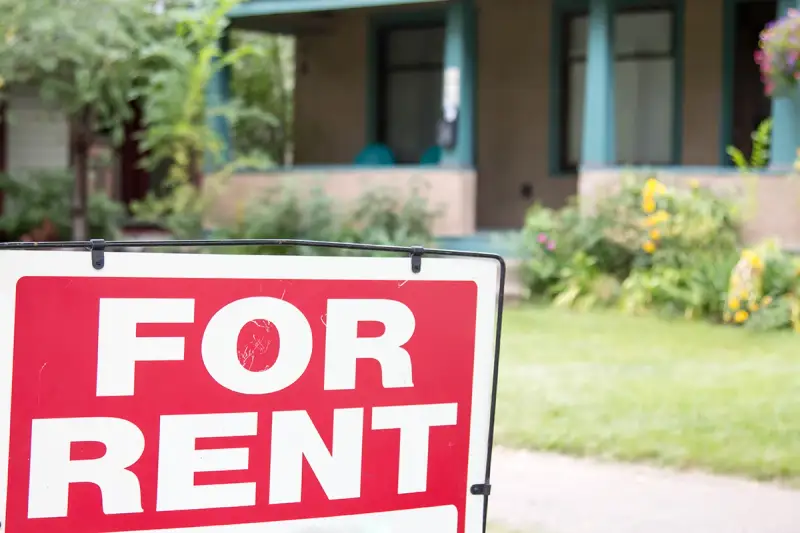
It’s essential to create a listing for the rental that highlights the property’s most valuable amenities. Be sure to include professional photos and virtual walkthroughs of the property. Post the property listing for free on rental platforms like Redfin, Rent.com and Zumper. Consider tapping into your personal network and social platforms to promote your rental property by word of mouth, and add an old-school “For Rent” sign in the yard to capture interest of those driving through the neighborhood.
7. Find And Screen Tenants
A thorough applicant screening process is necessary to find a suitable tenant. It might be tempting to rent to the first applicant that shows interest, but screening tenants helps ensure they’re a good fit.
First, you’ll want to know how many people will be living on the property. It’s also crucial to verify employment, income and credit score. You can verify information with pay stubs and credit reports. You also can run a background check to see if the individual has a criminal record.
If a potential tenant’s situation raises concerns, ask for a list of references. The goal of screening is to ensure that the potential tenant is willing and able to pay rent on time while keeping the property reasonably clean. It helps to determine minimum standards, such as a specific credit score or income requirements, before meeting with potential tenants. Be sure that all screening criteria and procedures comply with federal, state and local fair housing and tenant-screening laws.
Compare Refinance Offers From Verified Lenders:
Tips For Renting Out Your House
Now you understand the basics of how to rent out your house. But that’s not all you need to know. Being a good landlord can help you find and keep great tenants.
Here are some tips to make renting out a house the best experience possible:
- Hire a property management company. A property management company performs essential tasks like screening tenants, collecting rent and handling tenant complaints. Working with a management company makes scaling a rental business realistic if you want to rent out multiple properties. However, this cost cuts into the overall profitability of the property.
- Work with an attorney. A real estate attorney can craft landlord-tenant contracts, conduct title searches on homes you’re interested in purchasing and represent you in legal disputes.Attorney fees may be high, although having an experienced real estate attorney also can offer peace of mind.
- Collect security deposits. Security deposits are fees that landlords impose, typically in the form of one or more months’ rent, to protect themselves from financial risk. This way, the tenant makes a financial commitment, and you can use the money for repairs or compensation if the tenant damages the property or violates the contract. Keep in mind that state or local laws may limit the amount of deposit, require interest or dictate when it must be returned. In addition, landlords should offer clarification in rental contracts about what the security deposit is used for.
- Perform property inspections. Regular inspections help ensure the house stays in excellent condition. You can perform these during a tenant’s stay and in between tenants. If an issue arises with the unit, it’s best to immediately address it to preserve your property value and maintain its appeal for new renters. However, make sure you know the rules for entering the property and respecting the tenant’s right to privacy by providing adequate notice, conducting inspections during reasonable hours and focusing on the property’s condition, not the tenant’s personal belongings.
- Set up a maintenance tracking system. If you opt not to hire a property management company, a maintenance tracking system will help you stay organized and efficiently process maintenance requests. This tool is beneficial if you own multiple rental properties. With such a system, dealing with dozens of calls about problems among different properties can cause issues to slip through the cracks.
- Obtain a license. Some states require landlords to hold a rental license. So, it’s critical to research your state laws and apply for one if necessary.
What’s Your Goal?

Buy A Home
Discover mortgage options that fit your unique financial needs.

Refinance
Refinance your mortgage to have more money for what matters.

Tap Into Equity
Use your home’s equity and unlock cash to achieve your goals.
Tax Deductions For Landlords
Landlords are entitled to specific tax deductions and benefits for renting out their property. The IRS considers rental income to be taxable income. Fortunately, many business-related expenses are tax-deductible, which can help lighten your tax burden.
You can deduct mortgage interest, property taxes, operating expenses, depreciation and repairs. You also can deduct expenses required to run your rental business, like advertising costs, legal and accounting fees, business supplies and insurance. However, home improvements are not deductible.
View Your Refinancing Options
Find a refinance lender that will work with your unique situation.
The Bottom Line: You Can Earn Income And Build Equity By Renting Out Property
Renting out a house or apartment requires thorough planning, knowledge of local laws and proactive measures to protect your investment. Landlords can have greater success renting property and mitigate potential problems by evaluating their financial situation, understanding landlord-tenant laws, obtaining rental property insurance and researching the local market.
You can benefit from thorough property preparation, effective marketing strategies, in-depth tenant screening and utilizing tax deductions to reduce your taxable income. Taking these steps can help you navigate the rental process successfully and maximize the benefits of renting out your house.


Ben Shapiro
Ben Shapiro is an award-winning financial analyst with nearly a decade of experience working in corporate finance in big banks, small-to-medium-size businesses, and mortgage finance. His expertise includes strategic application of macroeconomic analysis, financial data analysis, financial forecasting and strategic scenario planning. For the past four years, he has focused on the mortgage industry, applying economics to forecasting and strategic decision-making at Quicken Loans. Ben earned a bachelor’s degree in business with a minor in economics from California State University, Northridge, graduating cum laude and with honors. He also served as an officer in an allied military for five years, responsible for the welfare of 300 soldiers and eight direct reports before age 25.