





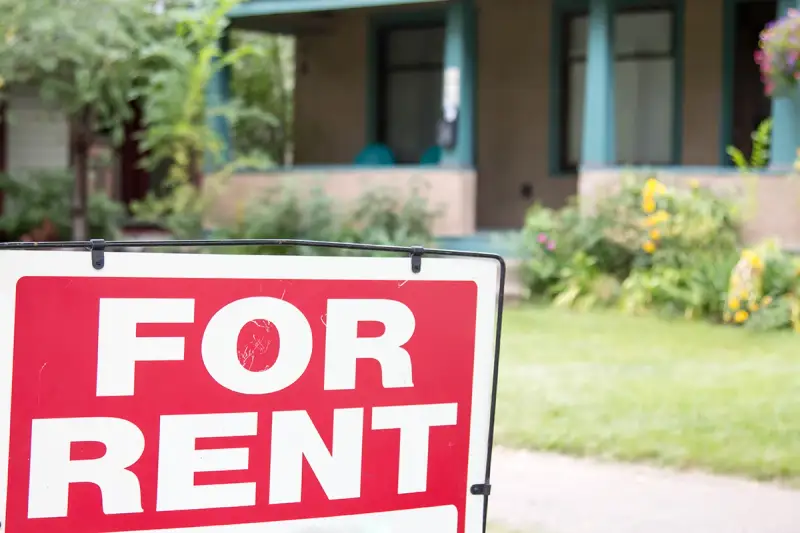
If you are thinking about investing in real estate, consider purchasing an out-of-state rental property. While staying close to home may have advantages as a landlord, broadening your search across state lines may give you access to lower home prices, higher rent potential or attractive short-term rental opportunities.
Keep in mind that there are some potential pitfalls as a long-distance landlord. Managing rental properties outside your home state presents unique challenges and requires careful planning. To be successful, you’ll likely have to enlist local property managers and smart technology tools to monitor the property.
Our guide will walk you through the process of investing in and managing rental properties out of state – from finding good tenants to staying on top of regulations.
Key Takeaways:
- Being a long-distance landlord may take more effort than buying a local rental property, but it can be more affordable if you live in a high-priced housing market.
- Digital property management tools can help you manage your rental property from another state.
- Cultivating a team of local professionals – such as maintenance workers and solo property managers – can be extremely beneficial for long-distance landlords.
Why Invest In Out-of-State Rentals?
There are a few upsides to purchasing of an out-of-state rental:
- Affordability: If you live in an expensive area, buying elsewhere may help you find more deals, including states with lower property prices. For example, if you live in Connecticut, where home prices tend to be high, consider a less expensive state, such as West Virginia or Alabama.
- Higher return on investment: Some housing markets may offer a better rent-to-price ratio than your area. For example, if you buy a home and the rent you generate is more than your total monthly housing expenses, including your mortgage, property taxes, homeowners insurance, maintenance, and HOA fees (if applicable), you may already see a positive return on your investment. In addition, include any routine maintenance costs and recurring HOA fees, if applicable, in your calculations to get the full picture of your return on investment.
- Diversification: By purchasing a rental property in a different state you can spread out your risk. When you put all of your money into one area, you are pinning your success to that area’s housing and rental trends.
- Lifestyle moves: If you are considering moving to another state during retirement and can afford to buy a home, you could buy a house and rent it out to generate income until you retire. Buying in a popular vacation spot could generate short-term rental (STR) income and serve as a future holiday home. Before you buy, research local rules, regulations and restrictions on STRs, and review HOA policies if the home is in an association.
Compare Mortgage Offers From Verified Lenders:
Pros And Cons Of Out-Of-State Rental Properties
Before you make a purchase, consider the pros and cons of owning a property that is potentially hundreds or even thousands of miles away.
| Pros | Cons |
|---|---|
| You may be better able to afford a property in another state if you live in a high-cost housing market. | You can’t check on the property in person easily if there are complaints or problems with tenants. |
| Other states may have less stringent laws regarding short-term rentals. | You’ll have to hire, and rely on, property managers, contractors or handyperson services – people you may never meet in person. |
| Some states, including Indiana, Ohio and Texas, have laws that make it easier to rent out a home. Beyond allowing rent increases or late fees, these laws can help you streamline evictions, improve unit access, support lease enforcement and give you more control over your property. | State laws and tax rules might be very different from those in your home state, and you’ll need to learn the regulations and filing requirements. |
| Investing in states with no income tax or friendlier tax rules could reduce the tax burden for property owners, though it’s important to consider property taxes, which also can affect your overall cash flow. | If you buy a home in a different time zone, it could affect communication with tenants or property staff. |
What’s Your Goal?

Buy A Home
Discover mortgage options that fit your unique financial needs.

Refinance
Refinance your mortgage to have more money for what matters.

Tap Into Equity
Use your home’s equity and unlock cash to achieve your goals.
Finding The Right Property To Purchase
Buying a rental property out of town may appear more affordable than purchasing one in your local market, but it’s essential to estimate how much rental income the property could generate before you buy. Researching the fair market value – typically defined as the rental rates in the 40th percentile of a local housing market under normal conditions – can help you determine a competitive rent to charge.
Rental rates vary based on local housing trends, as well as the property’s size, amenities, condition and location. By comparing similar properties in the area, you can get a clearer sense of what tenants are willing to pay. This information not only helps you set realistic rent expectations, but also guides you in buying the right out-of-state property – one that aligns with your budget and income goals.
Estimating rental income isn’t just about setting rent; it can also help you decide whether a property is worth purchasing in the first place. If needed, a local real estate agent should be able to offer market insights on rentals in the area. You want to be sure your return on investment is easily achievable in the local market.
How To Shop Site Unseen
The digital age lets you house hunt from home—even hundreds of miles away. Start by viewing properties online and creating a short list before scheduling an in-person trip. While some buyers confidently purchase without visiting, a virtual walkthrough can be a helpful first step.
When evaluating a market, research local rental demand, which can be influenced by many factors. Areas near growing employers, such as hospitals, universities, factories, or business centers, tend to attract more tenants. Neighborhoods with slow economic activity may see weaker demand. Take a virtual peek at the surrounding area, as well. For example, walkable access to parks, recreational spaces, transit hubs, schools, and retail may also raise a property’s value in a tenant’s eyes.
Take The First Step To Buying A Home
Find a lender that will work with your unique financial situation.
Preparing Your Property For Rent
When you buy a rental property, it may not be turnkey, meaning it might need a fresh coat of paint, require repairs or other rehab work before it’s ready to rent out.
To save money, plan on spending some time there to get it ready. Aside from making sure the property is up to code and completing any large-scale renovations, you should tackle these simple tasks before renters arrive.
- Give it a fresh coat of paint. Hire a local painter or do the job yourself. Interior rooms always benefit from a fresh coat of paint.
- Deep clean the home. Hire professional cleaners or roll up your sleeves to get rid of grit and grime. Don’t neglect washing the windows, dusting ceiling fans and cleaning appliances like ovens and refrigerators.
- Boost the curb appeal. At the very least, mow the lawn. If you are inspired, plant flowers or plants, and replace house numbers and mailboxes.
- Check for maintenance issues. All the appliances should be in working order. HVAC systems should be checked by a professional, as well as the plumbing and electricity. Check that rooms have smoke detectors with new batteries, too. Your home should meet all local safety standards and state laws.
Ready To Become A Homeowner?
Get matched with a lender that can help you find the right mortgage.
How To Screen Renters
An important aspect of being a landlord is having a positive relationship with your tenants. When you live out of town, you may want to consider using a local real estate agent to show the home to potential renters. If you want to rent it yourself, there are a host of free or low-cost digital tools available to landlords.
If you decide to screen potential renters yourself, ask for documents such as recent pay stubs, tax returns, verification of income and credit reports. Ask for references and prior rental history.
It’s important to run background checks on all applicants to help protect you and your property. Always follow the U.S. Fair Housing Act and other anti-discrimination rules to ensure every applicant is treated fairly during the process.
How To Manage An Out-Of-State Rental Property
When you’re a local landlord, it’s easy to stop by your property to assess what might need attention, answer tenant questions, collect rent or handle issues like fixing a leaky faucet or shoveling the sidewalk. If you live out of state, however, there are still effective ways to manage your rental property.
Hire A Local Property Manager
It’s important to have at least one local contact who can assist with on-the-ground tasks such as rent collection, tenant concerns, maintenance and other property needs.
Depending on your property’s location and the number of units, you may choose to hire either an individual or a property management company to handle day-to-day responsibilities.
A qualified property manager can take care of everything from staying current on local landlord-tenant laws to answering tenant questions or making a short-term rental more appealing to vacationers.
Property management services typically cost between 8% – 12% of the property’s monthly rental income. Actual fees can vary – especially if you are working with one individual on one property versus several properties handled through a management company.
Just like screening potential tenants, it’s important to vet any property manager you’re considering to hire – from conducting a background check, if you are hiring an individual, to verifying their experience. If you plan to hire a property management company to oversee your property, thoroughly read customer reviews on reputable sites.
Since your property manager may be responsible for tasks like rent collection and even evictions, you’ll want someone with a proven track record whom you can trust.
Manage It Yourself
If you want to save money and do it yourself, you can use apps to track expenses, collect rent through bank transfers and communicate with your tenants.
Form relationships with local plumbers, electricians, locksmiths and other tradespeople so you know who to call when something goes wrong. These local service providers can also help tenants with day-to-day tasks and emergencies, and they can be your eyes and ears.
You could also consider a hybrid approach: Hire a local real estate agent to show the property and screen potential tenants, as well as a local contractor or handyperson to handle maintenance and emergencies.
Take Advantage of Technology
You can use digital tools and apps to help you take care of your property from afar. Consider using smart home devices, like smart locks, thermostats and even outdoor cameras for security.
Online property management platforms and tools may make it easier to communicate with your tenants and organize all of your important documents, from lease agreements to receipts, in one location.
If you need to take a look inside your property during a rental turnover period, consider asking your property manager to give you a virtual walk-through on a video call. Planning to purchase another property? Use 360-virtual video tours, online photographs, and video calling to view a home and the surrounding areas–without leaving your home.
Other Considerations For Managing A Long-Distance Rental Property
Beyond finding tenants and handling day-to-day operations, long-distance landlords need to think about the bigger picture. Legal, financial and insurance requirements can vary widely by state, so staying informed about these factors not only protects your investment, but also helps you avoid costly mistakes.
Understanding Local Landlord And Tenant Laws
As previously mentioned, the Fair Housing Act is your first stop for learning more about the rights and protections provided to tenants. Familiarize yourself with it to treat your tenants fairly and without discrimination.
Landlord-tenant laws vary from state to state, so what applies in your hometown may be very different from the regulations where you own a rental property. Familiarize yourself with local laws regarding eviction notice periods, security deposit rules, local fair housing regulations and what you can and can’t include in a lease agreement.
By understanding the landlord-tenant laws in the state where your rental is located, you can avoid potential lawsuits or fines.
Tax Considerations For Long-Distance Landlords
When you own out-of-state property, you may need to file taxes in both locations, depending on how the home is used. The IRS has strict rules regarding residential and vacation rental properties, so it may be wise to use a tax professional who understands real estate tax law and multistate tax rules.
Keep in mind that real estate investors can receive tax deductions and other benefits to lessen the tax burden. But like any income, rental income has to be reported to the IRS.
It’s your responsibility to track expenses, including repairs, management fees, supplies, insurance and even legal fees. Your accountant can review your records, confirm what’s deductible and advise on tax-saving opportunities. Don’t forget that you’re also responsible for local property taxes and meeting those deadlines.
Find the Right Rental Property Insurance
If you have a mortgage, you’re required to own insurance on your home. If you are renting out a property that you own outright, you also need to have insurance. Your rental property insurance must protect you from a wide range of risks, including fire, vandalism, some weather-related events, and other forms of property damage. If you own a pool or outbuildings on your property–check to make sure coverage extends its reach or offers a rider for coverage. As a landlord, it’s essential to purchase a policy that also covers injury or harm to tenants or guests. If your home is at risk of extreme natural disasters, such as floods, you may need to purchase additional coverage, depending on the policy.
FAQ
The Bottom Line: Long-Distance Landlording Is Doable
Whether you’re renting out a small vacation cottage or a two-family townhouse, managing a property from out of town takes more effort than managing one nearby. You’ll need to plan carefully, understand your legal responsibilities and take steps to protect your investment from a distance.
For an out-of-town landlord, it’s important to stay up to date on local landlord-tenant laws, carry the right property insurance and keep an eye on local market trends.
While it’s entirely possible to manage a rental remotely, getting help makes it easier. Local real estate agents, property managers and maintenance professionals make a difference in your experience and your tenants’ satisfaction. With the right support team, you can successfully manage a rental property from afar – and enjoy both the financial benefits and potential tax advantages of being a landlord.


Ben Shapiro
Ben Shapiro is an award-winning financial analyst with nearly a decade of experience working in corporate finance in big banks, small-to-medium-size businesses, and mortgage finance. His expertise includes strategic application of macroeconomic analysis, financial data analysis, financial forecasting and strategic scenario planning. For the past four years, he has focused on the mortgage industry, applying economics to forecasting and strategic decision-making at Quicken Loans. Ben earned a bachelor’s degree in business with a minor in economics from California State University, Northridge, graduating cum laude and with honors. He also served as an officer in an allied military for five years, responsible for the welfare of 300 soldiers and eight direct reports before age 25.