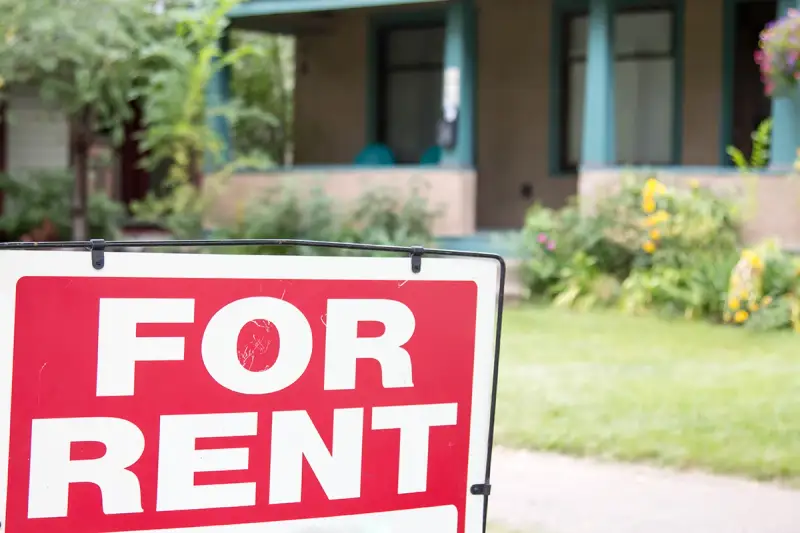





House hacking is a real estate term used to describe generating income from renting out a piece of your property while still living there yourself. This can be anything from renting a room in your house to purchasing a multifamily home and living in one of the units while tenants occupy the others.
House hacking can be a good way to generate income and offset your mortgage, helping you to build equity. However, it’s not for everyone. Sharing your living space with tenants can be an adjustment and comes with its own unique set of challenges – so it requires careful consideration.
In this guide, we explain why house hacking might be right for you, explore its pros and cons, and offer a few simple strategies for getting started as a house hacker.
Key Takeaways:
- House hacking is a way to generate income by renting out a living space on your property.
- There are a few ways to house hack. You can rent out a room in your home, turn your garage into an accessory dwelling unit, or purchase a multifamily home and rent out part of it.
- There are advantages and disadvantages to house hacking. It can help you cover your mortgage, pay your bills or earn extra income, but you will need to be comfortable living with strangers on your property and acting as an on-site landlord.
Should I Consider House Hacking?
House hacking lets you offset your housing costs with rental income.
This is also how house hacking can help you turn a home purchase into a powerful financial tool. The real estate market can ebb and flow in the short term, but historically, housing has delivered consistent long-term returns. This likely – though not guaranteed – year-over-year appreciation translates into greater equity for any homeowner. If the rent you collect from tenants covers or even significantly reduces what you’re paying for your mortgage, you’ll be adding equity with every monthly payment on top of that, at little or no cost to yourself.
Compare Mortgage Offers From Verified Lenders:
Getting Started With House Hacking
If you are a first-time investor, house hacking – especially if you utilize your existing primary residence, rather than purchasing a new one – is a way to use your home as a means to start investing in real estate. Some common strategies include:
- Renting out an extra room or rooms in your home and sharing common areas, like a kitchen and living room.
- Renting out an area that doesn’t involve any shared spaces, such as a space above your garage, a finished basement or an accessory dwelling unit (ADU) located on the property (subject to local zoning and permits). Entrance to the rented space can be shared with your personal entrance, or it can be a separate entrance under its own lock and key.
- Purchasing a multifamily home, moving into one unit and renting out the other units (or rooms).
- Offering short-term rentals in your home or an ADU for tourists and visitors on weekends or holidays.
- Buying a multiunit home with a friend as co-borrowers with equal responsibility for the mortgage (and the option to live together and rent out the other unit or units for income). This would bring down your rental income (since you’d be sharing it), but it would also decrease your costs, as well as the amount of work you’d need to do on your own.
What’s Your Goal?

Buy A Home
Discover mortgage options that fit your unique financial needs.

Refinance
Refinance your mortgage to have more money for what matters.

Tap Into Equity
Use your home’s equity and unlock cash to achieve your goals.
The Pros And Cons Of House Hacking
House hacking can not only make it easier for you to own your home, but it can also help build capital to invest in more real estate or another business. But being a landlord also presents extra work and potential pitfalls you might not anticipate.
Here are some of the pros and cons of house hacking.
| Pros | Cons |
|---|---|
| Increased cash flow: The monthly rent checks you collect from one or more tenants can cover much, if not all, of your mortgage payment, freeing up cash that you can save for further investments in real estate, another business or a personal investment account. | Sharing space/privacy issues: It can be uncomfortable and sometimes downright awkward to share your living space with strangers. Think long and hard about whether you’re up for sharing your own living areas (like the bathroom and/or kitchen) with a renter. Even if your tenant lives in a separate building on your property, there can be lifestyle issues that cause friction, such as noise and lights on during late hours. |
| Potential tax benefits: In some cases, with house hacking, you will become a landlord. With that distinction, you can tap into certain tax benefits that rental property owners are entitled to. | Landlord responsibilities: Being a landlord isn’t just about collecting passive income. You’re responsible for maintaining a safe, functional property and responding quickly to tenant issues, whether it’s a leaky faucet, broken AC, or snowy driveway. If you can’t handle repairs yourself, the cost of hiring a contractor is on you. |
| Easier to finance: Since house hacking occurs in your primary residence, it’s easier to obtain financing than if you were investing in a separate rental property – and you’re likely to be able to put down a lower down payment. Plus, you have a chance of securing better loan rates. | Investment risk: There is no guarantee your rental unit(s) will always be occupied, and you won’t collect rent until you find a new tenant. But you’ll still need to pay your mortgage even without that extra income. |
| A start to real estate investing: Whether or not you intend to become a full-time real estate investor, house hacking is an excellent way to earn income without having to invest in a separate property. | Delinquent renter: Sometimes a tenant can’t or won’t pay their rent. Evicting that person or forcing them to catch up on their back rent can be a long, difficult and expensive legal proceeding. |
Ready To Become A Homeowner?
Get matched with a lender that can help you find the right mortgage.
How To House Hack In 5 Steps
Knowing all the steps you’ll need to take, in proper chronological order, before you begin can help you execute your house hacking strategy successfully. It should include each of the following phases:
1. Choose A Property
From renting a spare room to buying and running a small apartment complex, house hacking can look very different depending on your time and financial commitment. Here are some options:
- Single-family home: This is an easy way to start house hacking: simply rent out extra rooms to generate income. For safety, always run a background check on potential roommates. Interviewing each candidate to make sure they’re a good lifestyle fit is also a smart idea, since even when you rent out a bedroom, you’ll usually be sharing common spaces.
- Multifamily home: This type involves several units within the same property – a duplex or triplex, for example. With this option, you will not have to share any indoor spaces with tenants. But a multifamily property can be more expensive to purchase than a single-family home.
- Accessory dwelling units (ADUs): An ADU is a separate, fully equipped living unit on your property that can be rented out. You can consider building one on your property or turning an outbuilding, such as a barn or freestanding garage, into one. The added privacy offered by an ADU provides an option for house hackers who don’t want to share common spaces or walls with their tenants.
- Vacation rentals: Converting an existing building or constructing a new one for a short-term rental through an online firm like Airbnb or Vrbo can be a lucrative opportunity. Just keep in mind the extra work that comes with frequent guest turnover, and always check local regulations, occupancy taxes and reporting requirements before getting started.
2. Calculate Your Future Investment
To see if a house hack will work for you, start with the rent you could charge and work backward. Estimate your potential rental income, then subtract all your monthly housing expenses, like your mortgage, property taxes, homeowner’s insurance and utilities. The result shows how much the rental income could cover your costs and what would remain to be paid by you. There are some important factors to consider when calculating whether a house-related future investment is financially worth it.
- Net operating income (NOI): This figure is a good starting point when considering the potential profitability of a real estate investment. To calculate it, you simply subtract all of the general expenses of maintaining the property from all of the income it will produce.
- Cap rate: Also known as capitalization rate, this percentage puts the profitability of a property into the context of the purchase price. With that, you can weigh the income you can potentially produce through a property against the upfront costs of purchasing the property. To get a property’s cap rate, you divide its NOI by its current market value, and then multiply the result by 100. A cap rate is usually considered good if it’s between 4% and 12%.
- Cash flow: The cash flow generated by a property can be determined by subtracting your monthly housing expenses from the income generated. In some cases, you may be able to break even or produce a positive cash flow. Even if a property has negative cash flow it can still be worthwhile because of potential tax benefits, reduced overall housing costs and long-term property appreciation, which can offset short-term losses. Over time, factors like these can make the investment financially beneficial.
- The 1% rule: This is a common way to evaluate the viability of real estate investments: The monthly rent should be at least 1% of the purchase price. If you are a house hacker, you can consider the market rental price of your unit in this calculation to determine if the property follows the 1% rule.
- Estimated monthly mortgage payments: A monthly mortgage payment is unavoidable for a home buyer without the capital to purchase a home in cash. As a house hacker, you’ll want to know how much you can expect to incur in monthly housing expenses ahead of time, so you can compare it to how much income you can make from it. You can use our mortgage calculators to determine this number.
3. Explore Loan Options
One of the biggest advantages of house hacking is that you gain access to unique loan programs designed for owner-occupants. Whether you’re renting out a spare room, a separate unit on your property or half of a duplex, these financing options can make it easier and more affordable to get started.
When you purchase a home to live in, you can use owner-occupied mortgages like VA loans, which require no down payment, or FHA loans, which allow you to close with just 3.5% down. That’s much lower than the requirements for a non-owner-occupied investment property, where you might need to allocate 15% – 20% of the purchase price for a down payment on a single-family home, and more if the property has multiple rental units and you are using a jumbo loan.
4. Make Any Renovations Or Repairs
To make the investment worthwhile, you’ll need to be able to charge a high enough rent, as well as increase the chances your tenants will stay a while. That means all appliances, HVAC systems, plumbing, and electrical systems need to be fully functional. The rooms also should be clean and aesthetically pleasant.
The time to do these renovations and repairs on your rental space is before you take on a tenant. It’s much easier for you and any contractors you hire to do that work without the clutter of furniture and other possessions; in addition, tenants could request accommodations or rent discounts if they are inconvenienced by contractors and renovation work.
5. Find Tenants
The ultimate point of house hacking is to have a monthly income from paying tenants. That said, no tenant is better than a bad tenant. After all, you will be sharing a property, perhaps even a wall or common areas, with this person. Remember, the best tenant is respectful, pays their rent on schedule and stays for a long time.
That’s why it’s important to screen all tenants before they move into your home—because the fewer surprises, the better. Common steps include hiring an agency to conduct background checks, running credit checks, and verifying a potential tenant’s income. When you screen potential tenants, it is essential to follow fair housing and anti-discrimination laws, which protect individuals based on race, gender, religion, disability, familial status, and other protected characteristics.
Once you have found a tenant who passes your screening, work with a real estate attorney to draft an official lease. Make sure the lease is signed before the tenants move into your space. Having a solid agreement on rules regarding noise, entertaining and use of any shared spaces is also recommended.
Consider outlining tenant responsibilities for property care in your lease—this includes being accountable for damages they (or their guests) cause, whether accidental or due to misuse. For example, if a tenant flushes items that should not be flushed down the toilet and a plumber is required to unclog the drain, the lease should clarify that the tenant is responsible for the cost. Additionally, you should know your rights and local community laws for handling delinquent renters or evictions, should the situation arise.
Take The First Step To Buying A Home
Find a lender that will work with your unique financial situation.
Additional House Hacking Tips
As noted above, being a landlord means you’re responsible for regular maintenance (cutting the grass, clearing snow, etc.), as well as fixing or replacing items that break down in your rental unit. So even if you’re capable of basic home repairs, you should have several contractors and people who can make repairs on speed dial for emergencies – because tenants will expect a quick response when needed.
Another option is to hire a property management company. If you don’t have time for or don’t want to be bothered with day-to-day responses to tenants, one of these companies will handle everything from collecting rent to fixing a leaky faucet. However, they can be expensive, and managing maintenance and cleaning in your home may be things you already take care of as a homeowner residing in the property yourself.
FAQ
The Bottom Line: House Hacking Can Help Build Wealth
House hacking can be a smart way to reduce housing costs, like your mortgage, and earn some income. Whether you’re renting out a room, leveraging an ADU or buying a multifamily property, it can let you explore being a landlord and turn part of your home into a source of income. While there are risks and considerations to take into account, if it fits your financial and personal situation, house hacking can help you build long-term wealth and provide you with a fairly low-stakes opportunity at real estate investment.


Ben Shapiro
Ben Shapiro is an award-winning financial analyst with nearly a decade of experience working in corporate finance in big banks, small-to-medium-size businesses, and mortgage finance. His expertise includes strategic application of macroeconomic analysis, financial data analysis, financial forecasting and strategic scenario planning. For the past four years, he has focused on the mortgage industry, applying economics to forecasting and strategic decision-making at Quicken Loans. Ben earned a bachelor’s degree in business with a minor in economics from California State University, Northridge, graduating cum laude and with honors. He also served as an officer in an allied military for five years, responsible for the welfare of 300 soldiers and eight direct reports before age 25.