




Getting a mortgage loan for a single property can be a long and involved process. If you’re a property developer or real estate investor, buying one property at a time can be especially expensive and time-consuming. Fortunately, you can streamline the process with a blanket mortgage.
A blanket mortgage, or a blanket loan, lets you buy multiple properties with a single loan. Blanket mortgages can save you time by financing multiple properties with a single rate, term and monthly payment. However, blanket mortgages aren’t for everyone. Continue reading to learn more about how blanket mortgages work and when you might need one.
- A blanket mortgage lets you purchase two or more properties with a single loan.
- Builders, developers, investors and real estate flippers may use blanket mortgages to buy several pieces of real estate.
- Blanket mortgages can save you time and money, but they can come with stricter eligibility requirements and higher upfront costs. Plus, they may be structured with balloon payments.
- Commercial lenders, not traditional banks or credit unions, are more likely to offer blanket mortgages.
What Is A Blanket Mortgage?
A blanket mortgage is a loan used to buy multiple pieces of real estate at one time. This type of loan allows builders, developers and investors to purchase several properties without needing to finance each one individually – saving them time and money.
Similar to a traditional mortgage, a blanket mortgage is secured by the properties being purchased or refinanced. These properties serve as collateral on the loan.
Unlike a traditional mortgage, a blanket mortgage has a unique release clause. This allows the borrower to sell a single property and release it from the liability of the remaining loan. Meanwhile, the borrower continues to make monthly payments on the remaining mortgage balance. The release clause allows the borrower to sell a property without needing to refinance or repay the entire loan amount every time they sell a property.
Learn more: Blanket mortgages may be structured as a balloon loan, in which you make smaller monthly payments for a shorter period of time. At the end of the term, you make a much larger lump sum payment, often toward the loan principal, to pay off the loan. While owing this large payment can make this loan structure risky, some investors use it to their advantage, selling a property before the balloon payment comes due.
Compare Refinance Offers From Verified Lenders:
Who Uses Blanket Mortgage Loans?
Blanket mortgage loans aren’t intended for homeowners who own a primary home and a second home or investment property. Instead, they’re ideal for real estate investors or entities buying a portfolio of properties.
For example, blanket mortgages can be a good option for:
- Real estate investors: A blanket mortgage can help you purchase a portfolio of investment properties, consolidating your finances. Plus, if you decide to sell a property, you can do so without refinancing, freeing up cash in the process.
- House flippers: If you’re flipping houses, a blanket mortgage can help you buy and fix multiple properties at the same time.
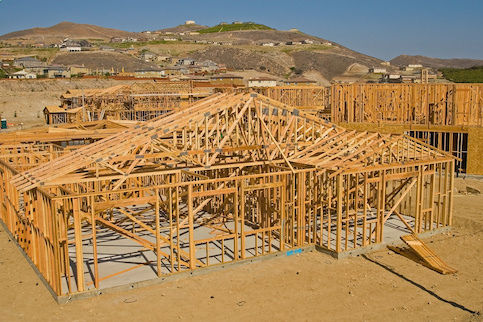
- Builders and developers: Blanket mortgages allow builders to buy several adjacent properties and develop them all at once.
What’s Your Goal?

Buy A Home
Discover mortgage options that fit your unique financial needs.

Refinance
Refinance your mortgage to have more money for what matters.

Tap Into Equity
Use your home’s equity and unlock cash to achieve your goals.
Where Can I Find Blanket Mortgage Lenders?
Traditional banks and credit unions typically don’t offer blanket loans, so you may need to seek commercial lenders instead. Unlike banks and credit unions, commercial lenders may cater to experienced real estate developers and investors and have stricter financial requirements for loans. For example, commercial lenders may vet a borrower’s track record and require a larger down payment, higher credit score and significant cash reserves compared to traditional lenders.
As with any loan, when shopping for a blanket mortgage, do your research to find the right lender.
Ready to Refinance?
Get matched with a lender that can help you reach your financial goals.
Pros And Cons Of A Blanket Mortgage
Blanket mortgages can be attractive to real estate developers and investors because they make it easier to purchase multiple properties at once – potentially saving time and money. But these loans have downsides, too.
Here are the pros and cons of blanket mortgages.
Here are the pros and cons of blanket mortgages.
| Pros | Cons |
|---|---|
| Streamlined finances: A blanket mortgage lets you purchase several properties with a single loan. This also means you have only one monthly payment to keep up with. | Stricter lending requirements: Blanket loans may have stricter lending requirements, such as higher credit scores and larger down payments as a percentage of the loan. Borrowers using an LLC or corporation for the loan aren’t exempt from these requirements either – the lender will still look at individuals’ credit scores along with the business entity’s financial track record. |
| Cost savings: Because a blanket mortgage eliminates the need to get multiple loans, it can help you save on closing costs and other loan fees. | Higher upfront costs: Because blanket loans cover multiple properties, they’re larger loans and come with higher closing costs and down payments compared to a conventional loan on a single property. |
| Efficiency: Applying for one mortgage, let alone several, can be a tedious process. A blanket mortgage helps you consolidate the process of financing several properties. | Multiple appraisals: Getting a blanket mortgage may be more convenient than taking out multiple mortgages, as you only have one monthly payment and interest rate. However, it doesn’t simplify everything, as you’ll still likely need to get multiple appraisals when financing more than one property. |
| Flexibility: With a blanket loan’s release clause, you can sell individual properties without needing to refinance your loan. | More risk: The larger nature of a blanket loan means you’re taking on more risk. Plus, default can have serious implications, potentially leading to the foreclosure of all the properties financed with the loan. |
How To Get A Blanket Mortgage
Getting a blanket mortgage is somewhat different than getting a traditional mortgage, requiring more documentation and portfolio analysis, though the general steps are similar:
- Shop around for a lender. You likely won’t be able to get a blanket mortgage from your bank or credit union, so focus your search on commercial lenders. Compare various lenders’ rates, fees and terms to find the most attractive options.
- Check your eligibility. Once you narrow down lenders, check eligibility requirements, such as credit score and down payment requirements, to make sure you’ll qualify.
- Apply and provide documentation. When you’re ready to apply with a lender, fill out the application and provide any necessary documentation.
- Wait for approval. After the lender approves your loan, you can close on your properties.
The Bottom Line: Blanket Mortgages Aren’t For Everyone
A blanket mortgage allows you to buy or refinance multiple properties under one loan, generally with consistent financing terms, though terms may vary by lender. One major perk of this loan type is that it lets you manage one mortgage, rather than several, potentially saving you time and money. Plus, a blanket loan’s release clause means you don’t need to pay off the entire mortgage amount to sell an individual property.
On the other hand, blanket mortgages often have higher closing costs and down payment requirements compared to single-property mortgages. And while you pay only one set of mortgage fees, there may be stricter lending requirements, higher upfront costs and additional risk involved with this type of loan.
While blanket mortgages can make life easier for investors, developers and flippers, they’re not for everyone. If you’re ready to purchase real estate, compare home loan options to find the right loan for you.


Ben Shapiro
Ben Shapiro is an award-winning financial analyst with nearly a decade of experience working in corporate finance in big banks, small-to-medium-size businesses, and mortgage finance. His expertise includes strategic application of macroeconomic analysis, financial data analysis, financial forecasting and strategic scenario planning. For the past four years, he has focused on the mortgage industry, applying economics to forecasting and strategic decision-making at Quicken Loans. Ben earned a bachelor’s degree in business with a minor in economics from California State University, Northridge, graduating cum laude and with honors. He also served as an officer in an allied military for five years, responsible for the welfare of 300 soldiers and eight direct reports before age 25.