




If you’re a homeowner, it’s essential to know the boundaries of your property. One way to confirm property lines or boundaries is by hiring a surveyor. But there are other ways to estimate property boundaries. Want to know how to find property lines without spending hundreds of dollars? This guide will show you.
Key Takeaways:
- Property lines are the defined legal points where your property begins and ends.
- The most accurate way to determine your property lines is to hire a professional to conduct a formal property survey – but expect to spend anywhere between $376 – $768.
- There are other ways to estimate your property lines before starting a home improvement project.
What Is A Property Line?
A property line is the legal boundary that separates one parcel of land from another. Property lines are established through official surveys that rely on measurements, markers and historical records like deeds and plats (detailed maps). Visible features like roads, ditches or fences can help to establish property lines. But property lines aren’t always obvious.
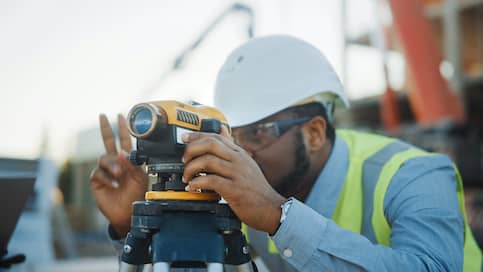
Licensed land surveyors use specialized techniques and equipment to measure and map property boundaries, often identifying or installing markers and creating detailed maps. Local governments record these boundaries to create a permanent reference, which surveyors and property owners can use to resolve disputes, guide construction and confirm ownership.
When reading a deed, plat map or survey, you may come across terms that describe different parts of your lot:
- Frontage: The part of your property that faces a street, road or waterway.
- Sidelines: The boundary lines that run along the sides of your property, typically connecting the frontage to the rear line.
- Setback: The required minimum distance between a structure and the property line, determined by zoning laws.
- Easement: A legal right for another party (like a utility company or neighbor) to use part of your land for a specific purpose, without owning it.
Accurate and up-to-date property records are vital for property owners and buyers, as they ensure land ownership is clear, enforceable and consistent over time.
Compare Refinance Offers From Verified Lenders:
Why Do Property Lines Matter?
Property lines provide clear and definitive boundaries for the land you own. They can also help you understand the land you’ll acquire when buying a home. Mortgage lenders and title insurance companies rely on verified property lines to facilitate your mortgage qualification.
Property lines are also vital in planning home improvements and landscaping projects. Knowing your boundaries can help you avoid unintentionally infringing on your neighbor’s property. It can also prevent disputes related to encroachment, so your relationship remains friendly. When spending money on improvements like a new pool or garage, you want to feel confident that you’re installing within your property lines.
Knowing your property lines can also help you avoid safety or environmental issues. You don’t want to begin a construction project only to later discover buried electrical wires or sewer pipes. Most states require you to call a hotline to have utilities and power lines marked before planting a tree or building a fence.
You’ll also want a record of where your property lines are if you decide to sell the house. If a title search reveals any property encroachments, it could affect the sale. Keep copies of the survey and property line maps you’ve received.
What’s Your Goal?

Buy A Home
Discover mortgage options that fit your unique financial needs.

Refinance
Refinance your mortgage to have more money for what matters.

Tap Into Equity
Use your home’s equity and unlock cash to achieve your goals.
11 Ways To Find Property Lines Without Spending Hundreds
There are many reasons for wanting to have your property lines defined. The only way to be 100% certain your property lines are accurate is by hiring a surveyor. According to HomeAdvisor, a land survey typically costs between $376 and $768, or $543 on average.
But if you just want an estimate, here’s how to find property lines:
1. Check Public Records
Your county recorder or assessor’s office maintains records of the legal boundaries in its jurisdiction, such as deeds, surveys and maps. These offices index and archive these publicly available records. You can visit your recorder or assessor’s office to review relevant documents, which likely include street maps that identify your exact property lines. Many counties provide online access to property line information and plat maps.
2. Use Apps Like Google Maps
Google Maps can help you estimate your property lines using aerial imagery. Enter the exact address of your property, and Google will provide you with a map. You’ll have the option to zoom in close enough to outline the property. The default map shown is a GPS view, but you can toggle between different map views, such as satellite view, terrain view and street view.
Google Maps doesn’t have access to data in every area, however, so if you live in a remote location, this resource may not help. And remember: The lines on Google Maps are estimates, not legal boundaries.
Here are some other apps to try:
- LandGlide. This app offers access to property data and parcel lines. It draws from data covering 99% of the U.S. population. It requires a paid subscription, but a 7-day free trial is available.
- Regrid. This app lets you search data from more than 158 million properties and toggle through multiple map layers. A free basic membership is available, but the paid subscription includes advanced features.
3. Consult Your Metes And Bounds Survey
“Metes and bounds” is the name for a centuries-old English system of describing property lines using natural landmarks. A metes and bounds survey cites a landmark called the point of beginning to indicate the border of a property. This survey will also include directions for how to use a compass to measure the property’s border.
This landmark can be a road, a tree or a body of water. However, a landmark can change over time or even cease to exist, making it more challenging to find the border.
4. Review Your Property Deed
A property deed is typically provided at closing when buying a home. This document usually includes essential information about a lot’s legal boundaries, either using metes and bounds descriptions or referencing survey markers and adjacent properties.
If you don’t have a copy of your deed, you can search for it online or request one from the county recorder’s office for a fee. While the deed usually includes detailed property line information, it may be missing that information, or it could be incomplete or vague.
This may especially be the case with newer deeds. If so, you may need to supplement the deed with property surveys or other records to get a clear picture of your property boundaries.
5. Inspect The Property Line Map
A property line map, also called a plat map or parcel map, gives the exact dimensions of all the properties in an area. You typically receive a copy of your plat map when:
- Buying a home
- Requesting a building permit
- Refinancing
- Subdividing a property
You can also get a copy at your county clerk’s office.
6. Ask Your Mortgage Or Title Company
Lenders typically require a property survey before you close on a house, and title companies often order a survey when you buy title insurance. You can ask for a copy of the survey.
7. Look For Property Markers
Some newly built homes may have survey markers or monuments that define their property line. Placed by surveyors during construction, these markers indicate property corners, providing a helpful starting point for boundary understanding.
Construction companies mark property lines to ensure compliance with zoning regulations and property deeds, prevent encroachment disputes with neighbors, facilitate utility allocation and aid in infrastructure planning.
8. Look For Hidden Survey Pins
Builders use survey pins to mark the boundaries of a plot of land. Survey pins are intended to remain in the ground long after construction, as a reminder of the property lines.
They’re typically made of steel or iron and are planted into the ground to mark the corners of the property. You may find them near curbs or sidewalks.
A metal detector can help you find hidden or buried pins. However, over time, survey pins may be removed by landscapers or utility companies.
9. Refer To Physical Markers
If you can’t find survey pins, check for physical markers that indicate property borders. Builders and contractors sometimes align sidewalks or streetlights with the property lines of the homes that line them.
The following physical markers may help you estimate your property line:
- Streetlights
- Sidewalks
- Fences
- Walls
- Utilities
10. Visit Your Local Zoning Office
Your city or county zoning department typically keeps maps and plats illustrating how land is divided in your district. These records can give you an exact measurement of your property and are usually available for a small fee. Zoning departments usually have records dating back many decades, but records may be unavailable for older homes.
11. Measure Your Property Yourself
While you won’t end up with exact dimensions, another option is to measure your property yourself. You can use the plat from a prior property survey to trace your property lines. Start from the point of beginning and use a compass and measuring tape. For a more accurate estimate, consider measuring each property line multiple times.
Ready to Refinance?
Get matched with a lender that can help you reach your financial goals.
FAQ
Here are answers to common questions about how to find property lines.
It’s also a good idea to talk to your neighbors and consider potential property line disputes to ensure compliance with local laws and maintain good relations.
The Bottom Line: How To Find Your Property Lines
Having a clear understanding of your property lines is essential, especially when planning home improvements. There are many ways to estimate your property lines without spending money, including consulting public records, using apps and looking for physical markers. But if precision is necessary, paying for a property survey will yield the most accurate results.


Natasha Etzel
Natasha Etzel is a financial writer with over a decade of experience. She has covered various financial topics, including mortgages, personal loans, home equity loans, debt consolidation, and refinancing. She writes for financial companies, including mortgage lenders, and various publications, including NerdWallet, Newsweek, The Motley Fool, and more.