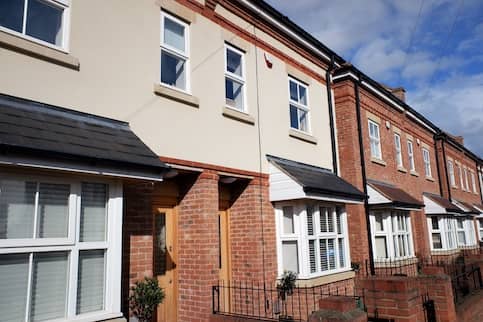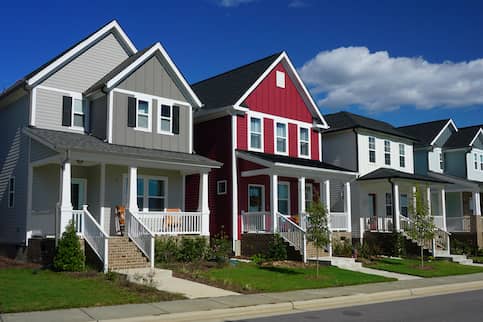
For entrepreneurial investors with an interest in real estate, purchasing a mixed-use property can be an attractive way to create an additional income stream. Live-work-play apartments are increasingly in demand throughout the United States; 542 of these developments opened between 2016 and 2025, with another 69 in the pipeline for 2026, according to Coworking Cafe
Whether you plan to live in the residential portion of a live-work space or plan to rent out the entire property, securing financing is different from applying for a typical mortgage. Find out how a mixed-use property could benefit you in the long run, along with different financing options to consider.
- A mixed-use property includes multiple residential and commercial spaces in one building.
- You may apply for a personal or commercial loan, depending on how you plan to occupy the space.
- Lenders tend to evaluate mixed-use properties through a stricter lens compared to residential homes.
What Is A Mixed-Use Property?
A mixed-use property is a type of real estate that has multiple zoning categories. For example, in addition to residential units, such as apartments, it could also be zoned for commercial, agricultural or industrial purposes (or a combination of several zoning types).
You’ll often see two types of classifications of mixed use spaces: vertical and horizontal. In a vertical commercial space, the first floor contains a commercial zone (such as retail or office space). It also has one or more apartments on the floor (or floors) above.
A horizontal mixed-used property is a single-story building with different zones throughout. Think of a strip mall that’s redeveloped into apartments, offices and/or retail stores. Many tenants appreciate multiuse spaces because there are built-in destinations for those living there and an immediate customer base for the businesses.
As a real estate investor, it’s important to understand the definition of a mixed-use space because lenders use that information to determine what kind of financing is available. They look at legal zoning decisions and licensed appraisals to determine whether or not a property is considered mixed-use.
Compare Mortgage Offers From Verified Lenders:
Benefits Of Buying A Live-Work Space
Owning a multiuse space has the potential to deliver several benefits, whether you live there yourself or rent out all portions of the property to tenants.
- Convenience: Many tenants (or yourself, if you plan to live there) enjoy live-work spaces because it’s often easy to shop or dine out without having to drive. It’s a social atmosphere that many people prefer over a separate apartment building with no on-site commercial space.
- Income stream: Investors can enjoy an ongoing stream of income. If you live there as well, that extra income can offset traditional mortgage expenses.
- Property appreciation: Over time, your property hopefully will appreciate in value. Not only can you bring in monthly income with tenants, but you also could potentially sell the building for profit in the years to come.
- Tax deductions: You may qualify for several tax deductions when owning a mixed-use property, including mortgage interest, depreciation, maintenance and insurance. Talk to a tax professional to understand your true bottom line before making a purchase.
It can be challenging to secure financing for a mixed-use building, so make sure the benefits are truly worth it before you start looking for lenders.

Discover mortgage options that fit your unique financial needs.

Refinance your mortgage to have more money for what matters.

Use your home’s equity and unlock cash to achieve your goals.
Types Of Mixed-Use Commercial Space Loans
The type of loan you apply for depends on several factors, including whether or not you’ll live there and how much of the space is dedicated to nonresidential use.
Personal Mortgages
It can be difficult to qualify for a home loan when a commercial space is involved, but it’s possible if you plan to live there. Here’s a breakdown of property requirements and living arrangements for three types of residential mortgages.
| Mortgage Type | Requirements For Mixed-Use Properties |
|---|---|
| Conventional Loan | You must occupy a dwelling unit as your principal residence.You must also own and operate a business.Property must be primarily residential. |
| FHA Loan | At least 51% of the space must be residential.75% of residential rental income must cover principal, interest, property taxes, homeowners insurance and mortgage insurance. |
| VA Loan | Property must be primarily residential.No more than one business unit is allowed.Property must be legally permitted.Commercial features aren’t included in appraisal. |
Commercial Mortgages
If you don’t meet the requirements of a personal mortgage, you can also look at loans specifically designed for commercial properties, including mixed-use real estate.
| Loan Type | Requirements For Mixed-Use Properties |
|---|---|
| Owner-Occupied Commercial Mortgage | Your business will occupy the majority of the property.Company cash flow is a major factor in qualifying.Mortgage lasts 20 – 25 years. |
| Income-Producing Commercial Mortgage | You plan to lease out all the units in the mixed-use space.Lender looks at tenant quality and lease maturity profile.Mortgage lasts 15 – 25 years. |
| SBA 504 Loan | Your business must occupy at least 51% of the mixed-use space.Your net worth must be less than $20 million, and your net income must be less than $6.5 million.Loan lasts 10 – 25 years. |
Get matched with a lender that can help you find the right mortgage.
How To Get A Loan For Mixed-Use Property
It can be tricky to qualify for a mortgage on mixed-use real estate, even after selecting the best loan type for your chosen property. While exact qualifications vary by lender and the type of financing you want, there are some basic requirements you and the property will likely need to meet.
- Credit check: The lender will pull your credit report to determine eligibility and loan terms, such as your interest rate. Both personal and commercial loans usually require an analysis of your personal credit score. Commercial loans typically also look at your business credit score if applicable.
- Loan-to-value ratio (LTV): The LTV is the amount of the property value you can borrow. In other words, it determines how large a down payment is needed. Most loans for mixed-use properties require higher down payments compared to residential mortgages.
- Appraisal: The lender confirms the value of the property through a professional appraisal. In order to qualify for financing, the appraised value must meet or exceed the sales price. Additionally, the appraiser may confirm the zoning to make sure the property meets the loan requirements.
- Inspections: You’ll likely need extra inspections for a mixed-use property than you would with a residential property. In addition to the standard inspection, the lender could also require an environmental inspection and a land survey.
You’ll also need to meet income requirements, whether personal or business related, to make sure you can afford the loan payments.
Find a lender that will work with your unique financial situation.
Mixed-Use Property FAQs From Quicken Loans
Can I live in a mixed-use property?
Is mixed-use property a good investment?
Can I get a residential mortgage on a mixed-use property?
Does FHA allow for mixed-use?
How much can I borrow for a mixed-use property?
Bottom Line: Financing A Mixed-Use Property For New And Seasoned Investors
Investing in a mixed-use property has the potential to provide ongoing income and long-term equity in real estate. But before you start looking at properties, it’s important to understand how to qualify for financing. Both personal and commercial loans have unique occupancy requirements you’ll need to meet.
Once you find the right structure for your plans, explore the latest mortgage rates and estimate potential expenses and income for a mixed-use property investment.


Ben Shapiro
Ben Shapiro is an award-winning financial analyst with nearly a decade of experience working in corporate finance in big banks, small-to-medium-size businesses, and mortgage finance. His expertise includes strategic application of macroeconomic analysis, financial data analysis, financial forecasting and strategic scenario planning. For the past four years, he has focused on the mortgage industry, applying economics to forecasting and strategic decision-making at Quicken Loans. Ben earned a bachelor’s degree in business with a minor in economics from California State University, Northridge, graduating cum laude and with honors. He also served as an officer in an allied military for five years, responsible for the welfare of 300 soldiers and eight direct reports before age 25.